Benefits · Pest resistant- Crops were being damaged due to insect pests, resulting in financial loss for farmers and starvation for developing countries. Farmers would have to spray chemical pesticides yearly and consumers restrain from eating it because of potential health dangers. GM foods reduce amount of damaged foods due to insects and cost less to bring a crop to market. · Herbicide tolerance- Removing weeds is a time consuming and expensive process. Farmers used to spray a large amount of different types of herbicides to destroy weeds. Crops that are genetically engineered contain a powerful herbicide that kills the weeds. It also protects the environment by reducing the amount of herbicide that is sprayed by farmers annually. · Cold/drought tolerance- A crop used to be kept at a certain temperature and have the right amount of water in order to grow properly. GM crops allow crops to withstand cold weather and be watered less. · Nutrition- Malnutrition is common in growing third-world countries because less food is produced. GM foods make it possible for people to consume a small amount of food that is loaded with nutrition. Also, it contributes to maintaining a stable diet for the consumers. · Pharmaceutical- Medicines and vaccines were required to be kept in special storage conditions and are also expensive to produce. Genetic engineering makes it possible to be shipped to third-world countries without any damage. |
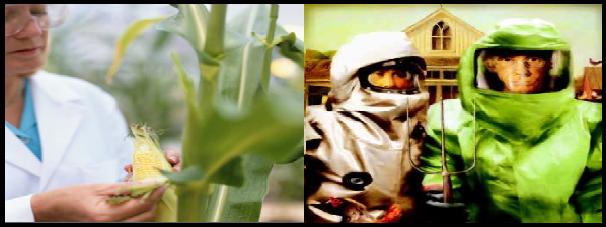
Controversies · Labeling- In some countries, both GM crops and non GM crops are grown. People believe that if the crops were to be labeled, more consumers will be cautious about what they purchase and eat. Others believe it is not cost effective to go through the whole process of labeling foods. · Potential health risk- Although genetically modified foods are tested, people believe that there are dangers to consuming them. Some effects are unknown but, some scientists believe GM foods can transfer antibiotic resistant markers that are able to produce new viruses and can't be treated. · Interfering with Nature- People think food we consume should be grown the normal way and should not have to be done in a laboratory. It is considered unethical. However, the opposition believes that as long as the market is provided with food, it does not matter whether they are genetically modified or not. · Food Supply- Genetically modified foods have the ability to solve world hunger. However, scientists argue that in order to meet the demand for food in the developing world, a second green revolution with increased use of GM crops is needed. Others argue that there is more than enough food in the world and that the hunger crisis is caused by problems in food distribution and politics, not production. |
